Recruitment at the
Rosalind & Morris
Goodman Cancer Institute
The Rosalind and Morris Goodman Cancer Instittue (GCI) is dedicated to shaping the future of cancer research by recruiting exceptional graduate students from across Canada and beyond. Our Annual Recruitment Event is a key part of this mission, connecting aspiring researchers with the institute's vibrant academic community.
Through the Annual Graduate Recruitment Event, we offer top applicants a unique chance to visit the institute, meet current graduate students and faculty, and learn about cutting-edge research opporunities.
We are accepting applications for our Fall 2026 Recruitment Event.
Are you interested in pursuing graduate studies in cancer research with us?
Apply to attend our annual Graduate Student Recruitment Event for a unique opportunity to explore the GCI and learn about our cutting-edge research and scientific platforms.
Top applicants will be invited to attend the event that aims to be both informative and convivial. We will introduce the GCI’s extensive training program and provide an opportunity to meet with existing graduate students and cancer scientists.
Selected invitees will then be offered a scholarship for Fall 2027 or Winter 2028 admission. Please note that all travel expenses will be covered for invited students unless specified otherwise.
To find out more or ask any questions you might have, join us for a live information session on Thursday, October 1st at 5pm EST.
Click her to register for the Information Session
The deadline to apply is October 15th, 2026.
The Event will take place November 19th and 20th, 2026, on location at the GCI.
Apply
Interested candidates must complete an online registration form HERE.
Within the online registration form, applicants will be asked to upload the following information in 1 single pdf:
- An up-to-date CV with valid contact information
- A letter of intent (maximum 2 pages) and
- A copy of your most recent transcripts (these do not need to be official for the purpose of this event)
Registration is open
Deadline to submit an application
October 15, 2026
In-person Events
November 19-20, 2026
- Demonstrated interest in biomedical research
- Enrolled in a B.Sc. or M.Sc. program
- GPA of 3.6 out of 4.3 for M.Sc. & Ph.D. candidates; international students will be evaluated on individual basis.
The GCI is committed to equity and diversity in the recruitment of its trainees. We welcome and encourage applications from racialized persons/visible minorities, women, Indigenous persons, persons with disabilities, ethnic minorities, and persons of minority sexual orientations and gender identities as well as others who may contribute to diversification.
The following investigators are recruiting new students. Potential applicants should not contact these investigators directly. Instead, applicants should indicate the names of the investigators they are interested in on their application.

Prof. Lawrence Kazak’s lab focuses on:
- The molecular and cellular mechanisms controlling energy balance, and how dysfunction of these processes lead to obesity-accelerated diseases.
- The elucidation of causal cancer cell-intrinsic genes and microenvironmental metabolites responsible for obesity-driven breast cancer growth and metastasis.
- The molecular regulation of food intake by adipose tissue-brain crosstalk.
The Kazak lab studies host energy metabolism in physiology and disease. We combine biochemical and genetic tools with mouse genetics to define key pathways that contribute to energy balance, metabolic syndrome and chronic disorders associated with metabolic dysfunction. These include obesity, diabetes and cancer.
Defining molecular mechanisms that regulate energy balance and obesity-accelerated diseases by adipose tissue
Thermogenic adipocytes are a specialized type of fat cell that release macronutrient energy as heat, in a process called thermogenesis. A complete understanding of the molecular mechanisms that promote adipocyte thermogenesis is critical to uncover if adipose tissue thermogenesis can be leveraged to improve cardiometabolic health. For many years the conventional view has been that the effector protein and the upstream signaling pathway that triggers thermogenesis is known. However, recent work from Dr. Kazak’s group and others has shown that thermogenesis is more complex. Adipocytes can use multiple thermogenic pathways among distinct cells within a tissue and even in parallel within the same cell. The Kazak lab has discovered key proteins that regulate adipocyte energy expenditure. Current efforts in his lab are aimed at using biochemical and structural approaches to define the molecular underpinnings that control their activity. These reductionist approaches are always integrated with mouse genetics to define the physiological relevance of the identified molecular regulatory mechanisms.
What we are
currently
working on
More than 60% of adults and 30% of children in Canada are overweight or obese, which imposes a considerable economic burden due to a constellation of obesity-related complications such as type 2 diabetes, cardiovascular disease and cancer. Although weight loss reduces obesity-related risk factors, increasing energy expenditure (e.g. through physical activity) improves metabolic health, despite little, if any, weight loss. Fat cells can enhance energy expenditure by dissipating energy as heat in a process called thermogenesis. Stimulating adipocyte thermogenesis has yet to yield a pharmacotherapy that is both safe and efficacious. However, initial prospective clinical studies have shown that increasing the metabolic activity of thermogenic fat is associated with improved insulin sensitivity and cardiometabolic health, even without weight loss. Therefore, a deeper understanding of heat-producing macronutrient pathways could finally unlock the optimal therapeutic strategy. Our lab’s approach to exploit adipose tissue thermogenesis for therapeutic gain is to define the contributions of all energy-dissipating pathways.
Brown adipocytes are packed with mitochondria, which are the major sites of cellular respiration. Importantly, macronutrient oxidation is coupled to the synthesis of a fixed number of ATP molecules. This constraint can be bypassed for thermogenesis by uncoupling macronutrient oxidation from ATP synthesis or by increasing ATP turnover. During the former, UCP1, promotes proton leak from the mitochondrial intermembrane space to the matrix. Accordingly, Ucp1-/- mice have been the primary tool for studying thermogenesis. Their severe thermogenic impairment has led to the conventional view that UCP1 is the sole effector protein of non-shivering thermogenesis. However, thermogenesis can also be promoted by coupling macronutrient oxidation to ATP synthesis, supporting futile cycles that accelerate ATP turnover. One such pathway is the futile creatine cycle, wherein the current working model posits that creatine undergoes a phosphorylation/de-phosphorylation cycle. We have identified two key effector proteins localized to mitochondria in thermogenic adipocytes that are required for thermogenesis via the futile creatine cycle: creatine kinase B (CKB) and tissue non-specific alkaline phosphatase (TNAP).
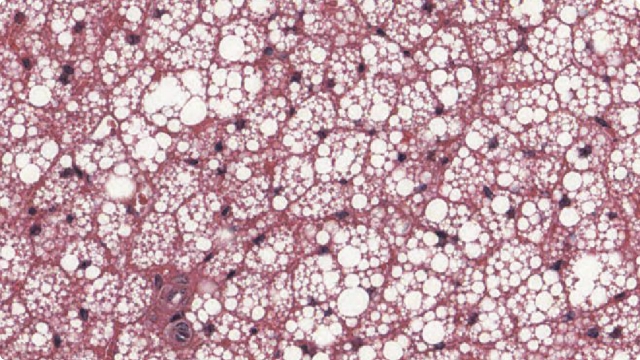
- Contribution quantitative de la thermogénèse UCP1-dépendante et -indépendante in vivo. L’idée que la thermogénèse est dépendante de UCP1 dans les adipocytes, ce qui découle largement de travaux utilisant des souris Ucp1 germinal knockout (UCP1-/-). Si la souris Ucp1-/- a permis l’avancement de nos connaissances au sujet de la thermogénèse des adipocytes, il existe des limitations majeures à son utilisation puisque celle-ci acquiert des changements secondaires au-delà de la perte d’UCP1 qui pourraient limiter la capacité de toute voie thermogénique. Pour cette raison, le dogme dans le domaine est que la thermogénèse indépendante d’UCP1 est seulement pertinente en l’absence d’UCP1. Notre laboratoire a entrepris une approche fondamentalement unique afin de mettre à l’épreuve cette idée, permettant la première mesure exhaustive de la thermogénèse UCP1-dépendante et -indépendante dans les adipocytes in vivo. De manière spécifique, nous avons généré des modèles de souris inductibles et sélectifs au gras Ucp1 simple knockout, Ckb simple knockout et Ucp1/Ckb double knockout. Quantitative contribution of UCP1-dependent and -independent thermogenesis in vivo. The idea that thermogenesis is dependent on UCP1 within adipocytes, which is largely based on work from germline Ucp1 knockout (Ucp1-/-) mice. While the Ucp1-/- mouse has advanced our understanding of adipocyte thermogenesis, there are major limitations to its use because it acquires secondary changes beyond UCP1 loss that would limit the capacity of any thermogenic pathway. Because of this, the dogma in the field is that UCP1-independent thermogenesis is only relevant in the absence of UCP1. Our lab has taken a fundamentally unique approach to testing this tenet, enabling the first comprehensive measurements of UCP1-dependent and -independent thermogenesis in adipocytes in vivo. Specifically, we have constructed fat-selective inducible single Ucp1, single Ckb and double Ucp1/Ckb knockout mouse models, which show that maximal adipocyte thermogenesis requires parallel activation of UCP1 and CKB.
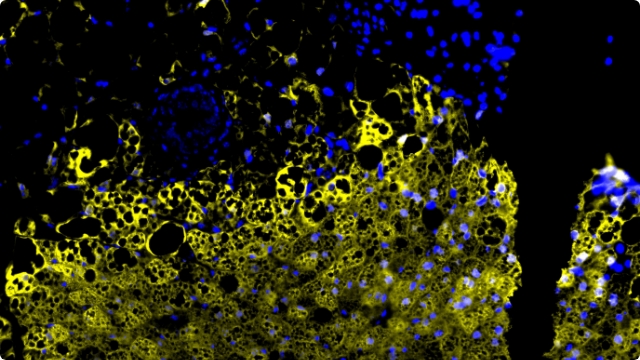
- Contrôle de l’équilibre énergétique par la signalisation GPCR dans les adipocytes. La noradrénaline stimule la signalisation des récepteurs α-adrénergique et β-adrénergique (α-AR et β-AR, respectivement) et est l’activateur physiologique de la thermogénèse des tissus adipeux. La signalisation β-AR est celle qui a reçu le plus d’attention dans le domaine de la thermogénèse. Cependant, puisqu’il est connu depuis des décennies que la réponse thermogénique complète requiert la signalisation du α-AR et β-AR, l’attention majeure portée sur la signalisation du β-AR a laissé la composante α-AR-dépendante largement sous-explorée dans le domaine de la biologie des adipocytes. Nous avons trouvé que la signalisation α-AR potentialise la voie β-AR pour induire un niveau plus élevé de dissipation d’énergie in vivo que ce qui est produit par l’une ou l’autre des voies de signalisation seules. L’activation α-AR et β-AR induit la signalisation Gαq et Gαs, respectivement. Les travaux actuels dans le laboratoire comprennent la construction d’un modèle de souris chimiogénétique (DREADDs, designer receptors exclusively activated by designer drugs) où la signalisation Gαq peut être activée de façon sélective dans les adipocytes in vivo. Nos données préliminaires montrent que deux semaines d’activation combinée de Gαq et Gαs sont suffisantes pour éliminer complètement l’obésité générée par une diète riche en gras sur une durée de quatre mois. Nous définissons maintenant les fondements de cette réponse et travaillons vers des thérapies qui pourraient cibler côté « dépense énergétique » de l'équation du bilan énergétique. Control of energy balance by GPCR signaling in adipocytes. Noradrenaline stimulates α-adrenergic- and β-adrenergic receptor (α-AR and β-AR, respectively) signalling, and is the physiological activator of adipose tissue thermogenesis. β-AR signalling has received the most attention in the thermogenesis field. However, given that the full thermogenic response of adipocytes to noradrenaline has been understood for decades to require α-AR and β-AR signaling, the large focus on β-AR signaling has left the α-AR-dependent component a vastly under-explored area of adipocyte biology. We identified that α-AR signalling potentiates the β-AR pathway to induce a higher level of energy dissipation in vivo than activation of either signaling pathway alone. α-AR and β-AR activation triggers Gαq and Gαs signalling, respectively. Current efforts in the lab include the construction of a chemogenetic mouse model (DREADDs, designer receptors exclusively activated by designer drugs) where Gαq-signalling can be selectively activated in adipocytes in vivo. Our preliminary data show that two weeks of combined Gαq and Gαs activation is sufficient to completely extinguish obesity that had been generated by high fat diet feeding over 4 months. We are now defining the molecular underpinnings of this response and working towards therapies that can target the energy expenditure side of the energy balance equation.
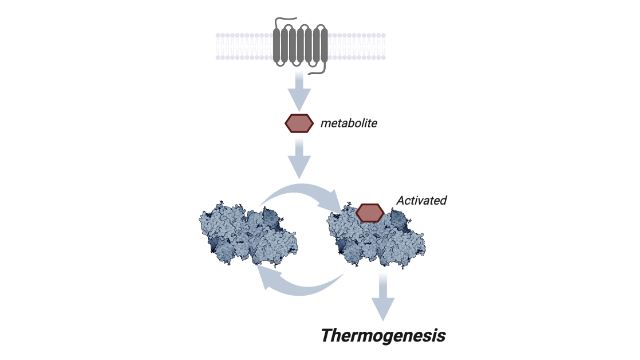
- Contrôle métabolique au détriment de la fonction protéique Les métabolites cellulaires régulent divers processus biologiques en relayant des signaux physiologiques aux protéines afin de réguler leur fonction. Notre laboratoire utilise des adipocytes générant de la chaleur (thermogéniques) afin de comprendre comment les protéines qui contrôlent ce processus sont mises en marche pour convertir l’énergie chimique en chaleur. Plus spécifiquement, nous cherchons à comprendre la régulation aigue de la thermogénèse par le cycle futile de la créatine. Nous employons des approches structure-fonction pour comprendre comment l’hydrolyse de la phosphocréatine par TNAP est sujette à la régulation allostérique. En intégrant des approches structurales (microscopie cryo-électronique et cristallographie à rayon-X) avec des essais biochimiques fonctionnels, nos collaborateurs et nous-même avons identifié des résidus clés sur TNAP qui coordonnent la liaison d’un métabolite lipolytique pour contrôler son activité. Cette régulation fonctionnelle de TNAP ne comporte pas seulement des implications importantes pour la thermogénèse, mais pourrait également jouer un rôle critique dans la fonction de TNAP dans le contexte de la minéralisation osseuse. Nous combinons nos efforts avec ceux d’épidémiologistes moléculaires afin d’identifier des patients portant des variants codants à l’intérieur de la poche de liaison allostérique de TNAP, représentant le premier lien entre la régulation des métabolites de l’activité de TNAP et la maladie humaine. Metabolite control over protein function. Cellular metabolites regulate diverse biological processes by relaying physiological signals on to proteins to regulate their function. Our lab is using heat-generating (thermogenic) adipocytes to understand how the proteins that control this process are switched on to convert chemical energy into heat. Specifically, we are focused on understanding the acute regulation of thermogenesis by the futile creatine cycle. We are using structure-function approaches to understand how phosphocreatine hydrolysis by TNAP is subject to allosteric regulation. By integrating structural approaches (cryo-electron microscopy and X-ray crystallography) with functional biochemical assays, we and our collaborators have identified key residues on TNAP that coordinate binding of a lipolytic metabolite to control its activity. This functional regulation of TNAP not only has important implications for thermogenesis, but may play a critical role in TNAP function in bone mineralization. We are combining our efforts with molecular epidemiologists to identify patients harboring coding variants within the allosteric binding pocket of TNAP, representing the first link between metabolite regulation of TNAP activity and human disease.
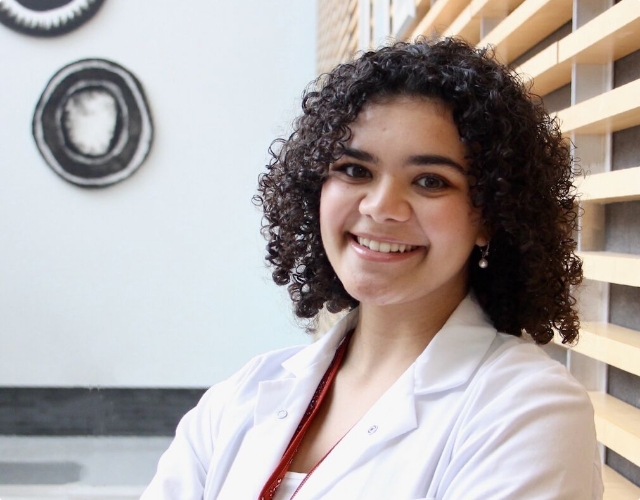
- Associate Professor, Department of Biochemistry, Rosalind & Morris Goodman Cancer Institute, McGill University
Our team
 Zhengrui Chen MSc MSc Student
  Jonathan Cheng Étudiant.e de premier cycle Undergraduate Student
 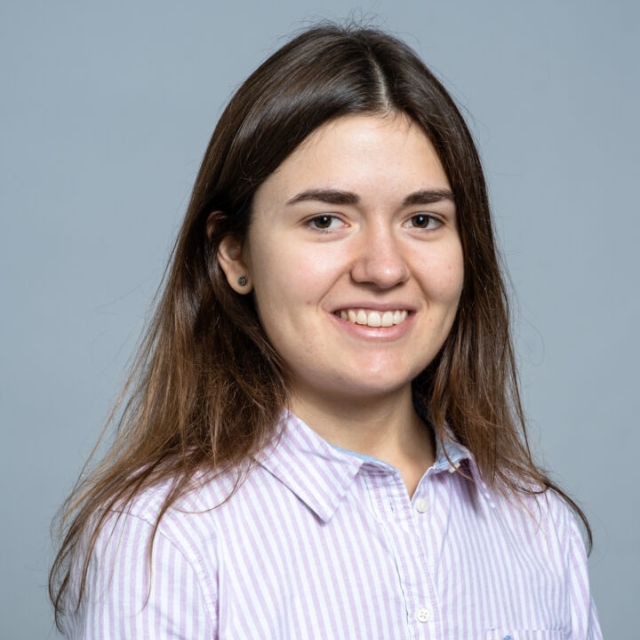 Maria Delgado Martin Étudiant.e au doctorat PhD Student
  Mina Ersin Étudiant.e à la maîtrise MSc Student
  Maria Guerra Martinez Étudiant.e à la maîtrise MSc Student
 - Chloe Guo Étudiant.e de premier cycle Undergraduate Student
 Faiz Hussain Étudiant.e au doctorat PhD Student
 - Abel Oppong Étudiant.e au doctorat PhD Student
 Janane Rahbani Candidat.e postdoctoral.e Postdoctoral Fellow
  Bozena Samborska Assistant.e de recherche Research Assistant
 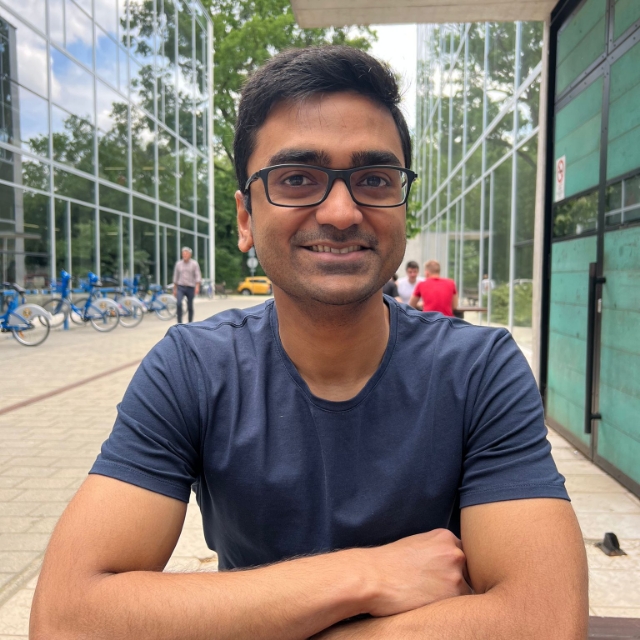 Abhirup Shaw Candidat.e postdoctoral.e Postdoctoral Fellow
  Mouna Tlili Candidat.e postdoctoral.e Postdoctoral Fellow
  Qiaoqiao Zhang Étudiant.e de premier cycle Undergraduate Student
Major discoveries
- 2022 ADRA1A-Gαq signalling potentiates adipocyte thermogenesis through CKB and TNAP.
- 2022 Creatine transport and creatine kinase activity is required for CD8+ T cell immunity.
- 2021 Creatine kinase B controls futile creatine cycling in thermogenic fat.
- 2020 Creatine metabolism: energy homeostasis, immunity and cancer biology.
- 2020 UCP1-independent thermogenesis.
Research Partners





Get in touch
3655 Promenade Sir William Osler
Montreal, Quebec H3G 1Y6
Office: 708
Lab: Room 713
T. 514 398-5605
T. 514 398-5656
F.
lawrence.kazak@mcgill.ca
Contact us for any questions about
our recruitment process


Rosalind & Morris Goodman Cancer Institute all rights reserved • Privacy policy • Accessibility
Website by Riposte