GCI researcher Simon Roy Receives V Foundation Grant to Target Immunotherapy Resistance in Acral Melanoma
September 15 2026
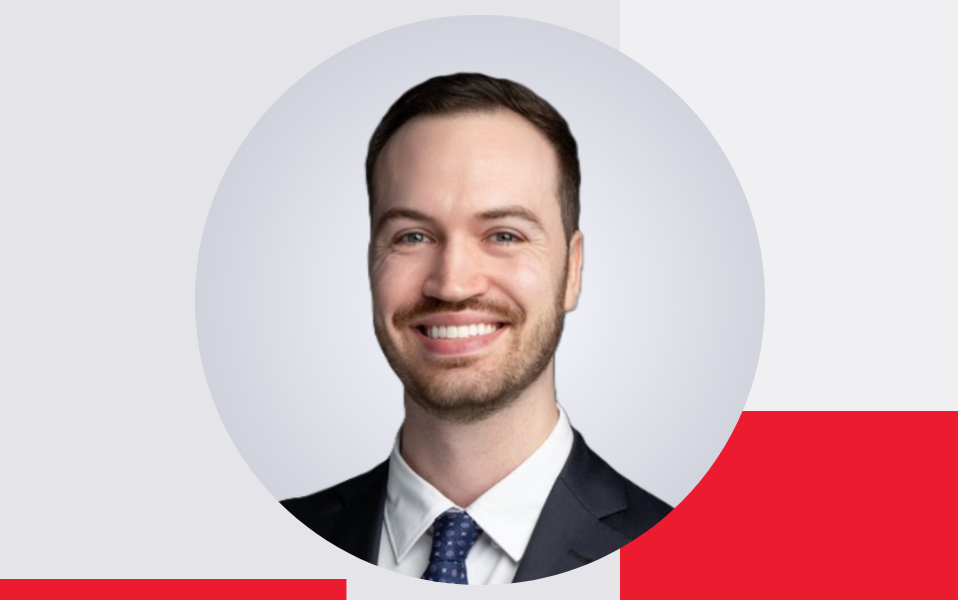
Simon Roy, M.D. M.H.S, Principal Investigator at the Rosalind & Morris Goodman Cancer Institute (GCI) and Assistant Professor in the Department of Pathology, has been awarded a competitive grant from the V Foundation for Cancer Research, valued at $800,000 USD, to investigate why immunotherapy so often fails in patients with acral melanoma, a rare and aggressive form of skin cancer.
Immune checkpoint inhibitors, drugs that help the immune system recognize and attack cancer, have transformed outcomes for many patients with melanoma. Acral melanoma, however, remains much more difficult to treat. This distinct subtype develops on the palms, soles, and under the nails and represents a particularly important form of melanoma among Black, Asian, and Hispanic patients.
Dr. Roy’s project, “Targeting BRD4 isoform dysregulation to overcome immune exclusion in acral melanoma” will investigate how changes involving the protein BRD4. This protein helps regulate how cells activate different gene programs, and it may contribute to the way acral melanoma interacts with and evades the immune system. BRD4 exists in different forms, or isoforms, whose individual roles in acral melanoma remain poorly understood.
To study these questions, Dr. Roy’s team will combine spatial transcriptomics, epigenetic analyses, and ex vivo modelling of patient tumours and mouse models. These complementary approaches will allow researchers to examine how BRD4 regulation relates to the organization of tumour and immune cells within intact cancers and to test potential therapeutic strategies in models that closely reflect human disease.
Ultimately, the project aims to better understand the biology underlying treatment resistance in acral melanoma and identify new approaches that could make these tumours more responsive to immunotherapy and improve outcomes for patients.
With the support of the V Foundation, Dr. Roy’s research will bring the GCI closer to the #knowledgetocure.

Rosalind & Morris Goodman Cancer Institute all rights reserved • Privacy policy • Accessibility
Website by Riposte