Identifying New Applications for Immunotherapy – Ian Watson’s Most Recent Funded Project
August 17 2026
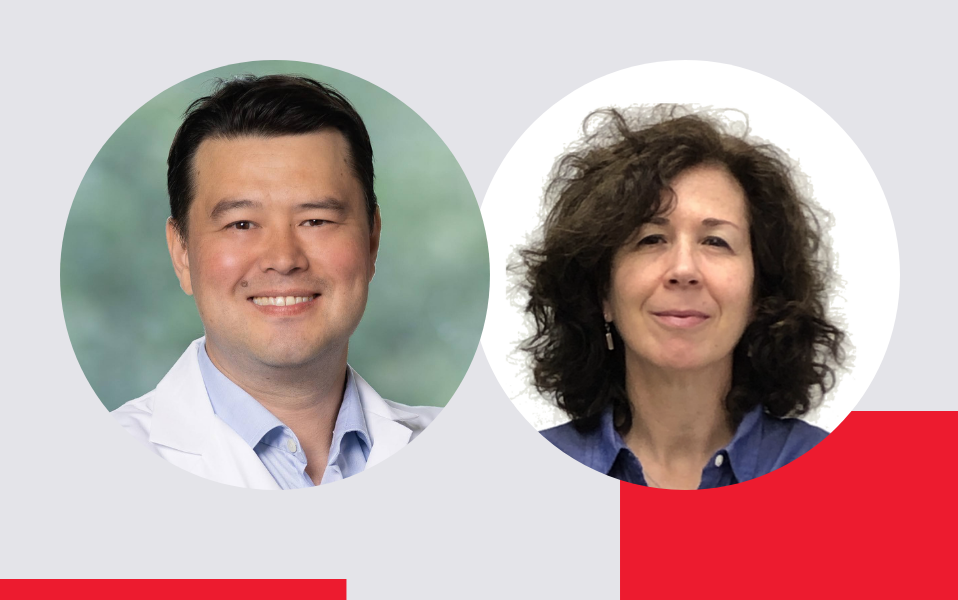
A research team co-led by Rosalind & Morris Goodman Cancer Institute (GCI) Professor Ian Watson, PhD, was just awarded a prestigious Canadian Cancer Society (CCS) Challenge Grant. The award will fund an innovative project aimed at translating melanoma immunotherapies to neurofibromatosis type 1 (NF1)-associated tumours. The project is co-led by Dr. Daniela D’Agostino, who oversees the adult NF1 clinic at the McGill University Health Center (MUHC).
Neurofibromatosis type 1 (NF1) is a genetically inherited disease that causes benign tumours, which, in some cases, progress to aggressive tumours called malignant peripheral nerve sheath tumours (MPNST). These tumours are the leading cause of death in patients affected by NF1 and treatment options remains limited.
There are several important links between NF1 and melanoma, an aggressive type of skin cancer. Notably, MPNST and melanoma originate from developmental cell of origin, and they harbour similar genetic mutations. NF1, the affected gene in NF1 disease, is also found to be mutated in some melanoma tumours, and patients with this mutation respond better to immunotherapy than others. Professor Watson’s research team has recently identified a molecular mechanism on how NF1 affects the interaction with the melanoma tumour microenvironment that may help explain how NF1 mutations affect immunotherapy response.
With treatment options very limited for NF1-associated MPNST, it is crucial to find better solutions for NF1 patients. Using cutting-edge technologies, this novel research project will provide insight into which NF1 patients affected by MPNST may benefit from immunotherapy that have been incredibly successful in the treatment of metastatic melanoma.
“We want therapies to benefit as many cancer patients as possible, and we will get there by deepening our understanding of why immunotherapies benefit certain patients and not others”, explains Prof. Watson. “Funding for NF1 research is extremely rare, and this CCS grant has enabled us to bring together a team of experts across diverse clinical and research disciplines to best determine how to translate successful melanoma therapy to NF1 patients.”
This research involves international leading expertise at the GCI, MUHC, and Montreal Neurological Institute (The Neuro), including Drs. Marie-Noëlle Hébert-Blouin, Livia Garzia, Marie-Christine Guiot, Elena Netchiporouk, Kevin Petrecca, Simon Roy, and Kevin Watters, as well as collaborations with Dr. Ming Tsao at the Princess Margaret Cancer Centre. This grant would not have been possible without the support of Sally Nystrom, a patient partner, and Véronique Maheux and Gabrielle Labonté from the Association de la neurofibromatose du Québec (ANFQ).
This research is funded by the CCS Challenge Grant with support from the University Health Network (UHN) and UHN Foundation through the ERASEnf fund.

Rosalind & Morris Goodman Cancer Institute all rights reserved • Privacy policy • Accessibility
Website by Riposte