Rosalind and Morris
Goodman Cancer
Institute Principal
Investigators
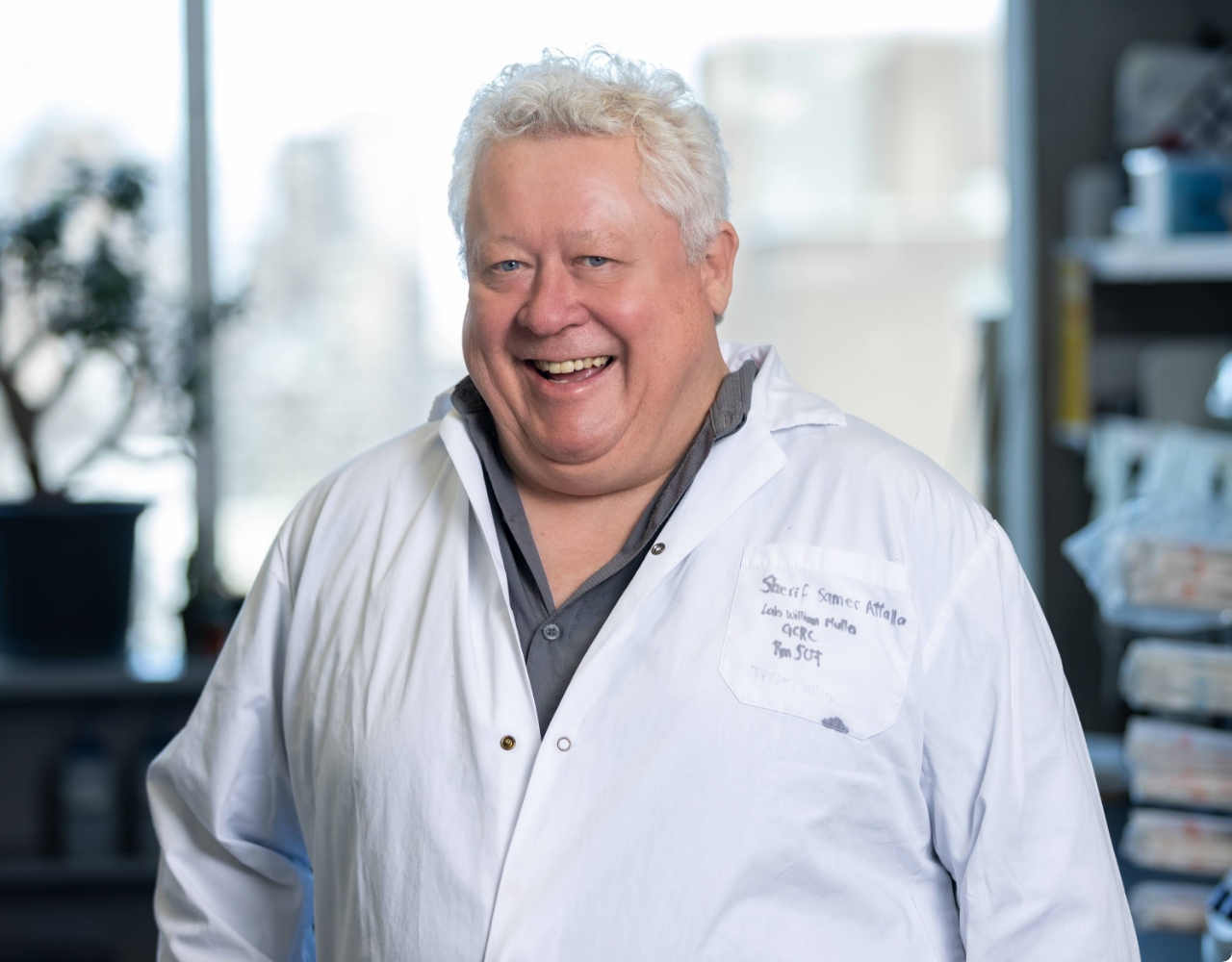
Prof. William Muller’s lab focuses on:
- Developing genetically engineered mouse models (GEMMs) to study breast cancer initiation, progression, and metastasis.
- Studying the role of a class of receptor tyrosine kinases, known as the epidermal growth factor receptor (EGFR) family, in the induction of breast cancer.
- The Tumour Immune Microenvironment (TIME) of breast cancer, particularly in Human Epidermal Growth Factor Receptor 2 (HER2) positive cancers, and its role in metastasis.
Dr. Muller is known for his work on genetically engineered mouse models (GEMMS) of breast cancer and especially for his projects using the inducible mammary gland-specific Neu transgenic mouse which is a model of HER2+ disease as well as his work using a Polyomavirus Middle T antigen (PyMT) model of breast cancer which represents a Luminal B disease. More recently, the Muller lab came up with new models of HER2+ positive mouse models such as the EIC model which expresses Human HER2 as well as the Δ16IC model which expresses a mutated version of the HER2 oncoprotein. These mouse models are immensely valuable to study breast cancer initiation, progression, and metastasis, as they reproduce almost perfectly the human disease and can be used to find new therapeutic targets for breast cancer.
Dr. Muller’s research goals are to use GEMMs of breast cancer to study and understand further the tumor initiation, progression, and metastasis of cancer cells as well as disease recurrence, and treatment resistance. To do so, the Muller lab studies the underlying biochemical pathways, epigenetic events, and immune-related phenotypes which are associated with the worsening disease.
Through collaborative work with researchers from all over the planet and the outstanding support of McGill University and the Goodman Cancer Institute, the Muller lab produces world-class research which aims to find new therapeutic targets to treat and positively affect breast cancer patients.
What we are
currently
working on
Our aim is to study and understand further the phenomenon which drive tumor initiation, progression, and metastasis in ErbB2 cancers, as well as treatment, resistance, and recurrence in the hopes of finding new ways to stop breast cancer through the discovery of new therapeutic targets. To do so, we dabble in a large variety of subjects such as cancer cell stemness, epigenetic, epithelial to mesenchymal transition (EMT), tumour senescence, hypoxia signaling, and more, which makes our laboratory extremely multi-disciplinary.
Our laboratory focuses on Human Epidermal Growth Factor Receptor 2 (HER2) positive subtypes of breast cancers. HER2 is expressed in up to 30% of all breast cancers and is a marker of aggressive disease and treatment resistance. For instance, we study malignant phenotypes of the breast which rise from HER2 signalling and its downward biochemical pathways such as the PI3K AKT pathway, including mTORC, and Rheb. Some of our projects look further at cancer metabolism, including tumor cell proliferation and breast cancer progression through c-Src and FOXM1 activation.
We also have an interest in the role of STAT3 signalling in breast cancer and discovered that STAT3 establishes an immunosuppressive microenvironment during the early stages of breast carcinogenesis to promote tumor growth and metastasis. The Muller lab is currently looking into the role of a cytokine which is expressed through STAT3 activation, the Chitinase-3-like-1 (Chi3L1), on the TIME and especially its role on macrophage differentiation, lymphocyte differentiation, and neutrophil extracellular traps (NETs).
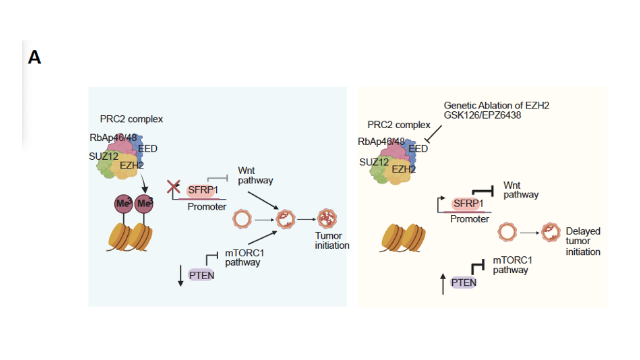
- Ezh2 favorise l'initiation de la tumeurs mammaires par la régulation épigénétique des voies de signalisation Wnt et mTORC1 La régulation de l'expression des gènes par les modifications post-traductionnelles des histones joue un rôle crucial dans la progression du cancer du sein. Pour mieux comprendre le rôle du modificateur d'histone Enhancer of Zeste homology 2 (Ezh2) dans les premiers stades de la progression tumorale mammaire, nous avons utilisé un système organoïde mammaire inductible portant des allèles Ezh2 conditionnels qui récapitulent fidèlement les événements clés du cancer du sein luminal B. Nous avons identifié Sfrp1, un suppresseur de signalisation Wnt, comme un gène cible de Ezh2 qui est dé-réprimé et exprimé dans l'épithélium déficient en Ezh2. Enfin, nous avons confirmé que le ciblage d'Ezh2 altère l'activité de mTORC1 par un mécanisme indirect qui régule à la hausse l'expression du suppresseur de tumeur Pten. Ces résultats indiquent qu'Ezh2 intègre les voies de signalisation mTORC1 et Wnt au cours de la progression précoce de la tumeur mammaire, faisant valoir que l'inhibition d'Ezh2 ou le ciblage thérapeutique des programmes dépendants d'Ezh2 pourraient être bénéfiques pour le traitement du cancer du sein luminal B à un stade précoce. Ezh2 promotes mammary tumor initiation through epigenetic regulation of the Wnt and mTORC1 signaling pathways The regulation of gene expression through histone posttranslational modifications plays a crucial role in breast cancer progression. However, the molecular mechanisms underlying the contribution of histone modification to tumor initiation remain unclear. To gain a deeper understanding of the role of the histone modifier Enhancer of Zeste homology 2 (Ezh2) in the early stages of mammary tumor progression, we employed an inducible mammary organoid system bearing conditional Ezh2 alleles that faithfully recapitulates key events of luminal B breast cancer initiation. We showed that the loss of Ezh2 severely impairs oncogene-induced organoid growth, with Ezh2-deficient organoids maintaining a polarized epithelial phenotype. Transcriptomic profiling showed that Ezh2-deficient mammary epithelial cells up-regulated the expression of negative regulators of Wnt signaling and down-regulated genes involved in mTORC1 (mechanistic target of rapamycin complex 1) signaling. We identified Sfrp1, a Wnt signaling suppressor, as an Ezh2 target gene that is derepressed and expressed in Ezh2-deficient epithelium. Furthermore, an analysis of breast cancer data revealed that Sfrp1 expression was associated with favorable clinical outcomes in luminal B breast cancer patients. Finally, we confirmed that targeting Ezh2 impairs mTORC1 activity through an indirect mechanism that up-regulates the expression of the tumor suppressor Pten. These findings indicate that Ezh2 integrates the mTORC1 and Wnt signaling pathways during early mammary tumor progression, arguing that inhibiting Ezh2 or therapeutically targeting Ezh2-dependent programs could be beneficial for the treatment of early-stage luminal B breast cancer.
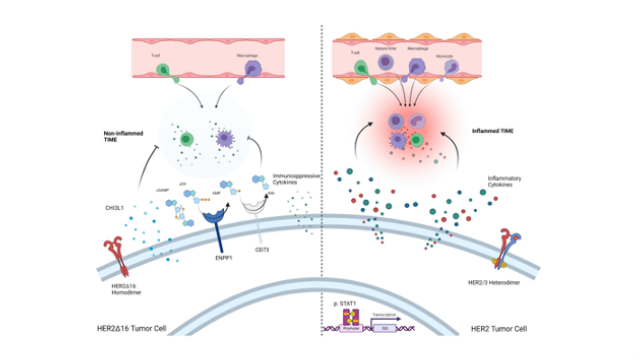
- HER2∆16 engage la protéine ENPP1 pour promouvoir un microenvironnement immunitaire froid immunitaire dans le cancer du sein Nous avons développé de nouveaux modèles de souris génétiquement modifiées qui expriment soit le récepteur 2 du facteur de croissance épidermique humain proto-oncogène de type sauvage (HER2) ou son isoforme d'épissage oncogène, HER2Δ16. Notre modèle de souris et l'analyse bio-informatique d'ensembles de données humaines démontrent que l'expression de HER2Δ16 induit un microenvironnement immunitaire de tumeur de type « froid ». Le profilage du protéome de la surface cellulaire a identifié l'ectonucléotide pyrophosphatase/phosphodiestérase 1 (ENPP1) comme étant régulé positivement de façon sélective sur la membrane plasmique des cellules HER2Δ16. Le knockdown d'ENPP1 ou l'utilisation d'inhibiteurs a induit l'expression de cytokines inflammatoires et conduit à une augmentation de l'infiltration des lymphocytes T qui a ralentissent la croissance tumorale. Nos travaux démontrent que les cancers du sein HER2+ agressifs régulent à la hausse ENPP1 pour induire un TIME « froid » et que ENPP1 peut être une cible valable en combinaison avec des immunothérapies. HER2∆ 16 Engages ENPP1 To Promote an Immune Cold Microenvironment in Breast Cancer We developed novel genetically engineered mouse models that express either wildtype proto-oncogenic human epidermal growth factor receptor 2 (HER2) or its oncogenic splice isoform, HER2Δ16. Our mouse model and bioinformatic analysis of human datasets demonstrate that expression of HER2Δ16 induces an immune cold tumor immune microenvironment. Cell surface proteome profiling identified ectonucleotide pyrophosphatase/phosphodiesterase 1 (ENPP1) to be selectively upregulated on the plasma membrane of HER2Δ16 cells. Knockdown of ENPP1 or using inhibitors was induced expression of inflammatory cytokines and lead to increased T cell infiltration that slowed down tumor growth. Our work demonstrates that aggressive HER2+ breast cancers upregulate ENPP1 to induce an immune cold TIME and may be a valid target in combination with immunotherapies.
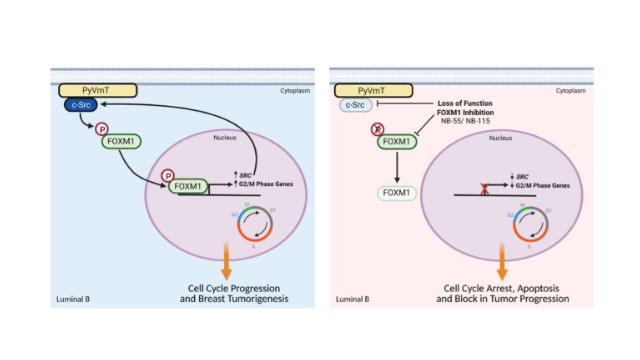
- L'activation coordonnée d'une kinase et d'un facteur de transcription entraîne la progression du cancer du sein Nous démontrons que l'activation coordonnée de c-Src et de FOXM1 dans le cancer du sein entraîne une dérégulation du cycle cellulaire, une prolifération accélérée et une progression tumorale. De plus, la perte de phosphorylation de FOXM1 médiée par c-Src ou le ciblage pharmacologique de FOXM1 bloque le cycle cellulaire en supprimant l'expression des gènes de phase G2/M et de c-Src lui-même. Cela perturbe la boucle de rétroaction positive et entrave la progression tumorale et les métastases des cancers du sein luminaux agressifs. Coordinated Activation of a Kinase and Transcription Factor Drives Breast Cancer Progression We demonstrate that the coordinated activation of c-Src and FOXM1 in breast cancer leads to cell-cycle deregulation, accelerated proliferation, and tumor progression. Additionally, loss of c-Src–mediated phosphorylation of FOXM1 or pharmacological targeting of FOXM1 blocks the cell cycle by suppressing the expression of G2/M-phase genes and of c-Src itself. This disrupts the positive feedback loop and impairing tumor progression and metastasis of aggressive luminal breast cancers.
- Distinguishes James McGill Professor
- Member, American Society for Microbiology.
- Member, American Association for the Advancement of Science.
- Member, American Association for Cancer Research.
- Fellow, Royal Society of Canada.
- CRC Chair in Molecular Oncology, McGill University (since 2009)
1980 - 1981
J.W. McConnell Award.
Department of Microbiology and Immunology, McGill University.
1981
E.D.G. Murray Prize. Department of Microbiology and Immunology, McGill University.
1981 - 1982
J.W. McConnell Award.
Department of Microbiology and Immunology, McGill University.
1981 - 1986
Medical Research Council of Canada Studentship.
Department of Microbiology and Immunology, McGill University.
1986 - 1989
Medical Research Council of Canada Fellowship.
Department of Genetics, Harvard Medical School.
1989 - 1995
National Cancer Institute of Canada, Research Scientist Award.
1996-2001
Medical Research Council of Canada, MRC Scientist Award.
2004
Merck-Frosst Award for Excellence in Research, McGill University.
Our team
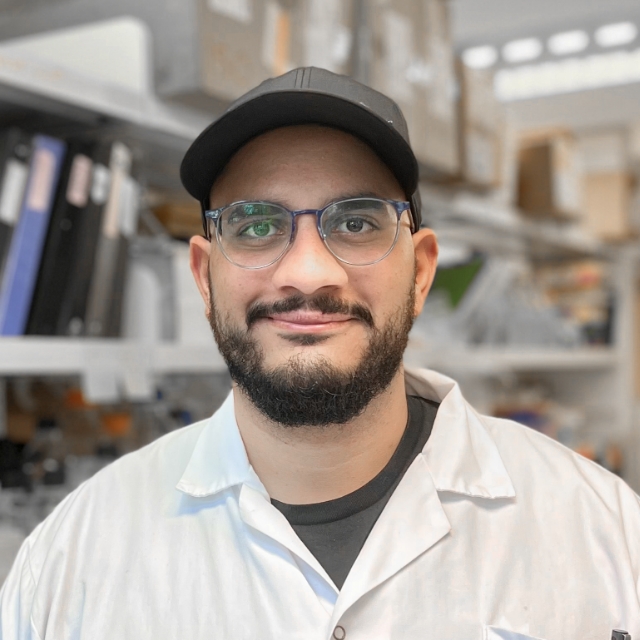 Sherif Attalla Étudiant.e au doctorat PhD Student
 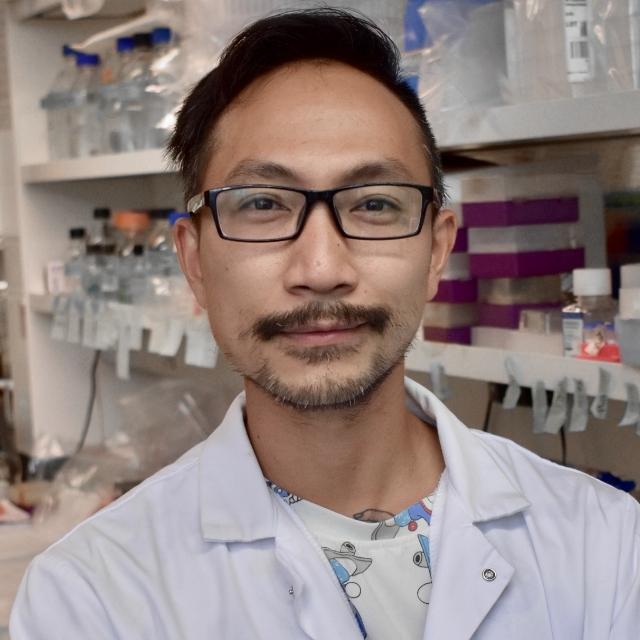 Tung Bui Associé.e de recherche Research Associate
  Yu Gu Étudiante au doctorat PhD Student
  Linjia Ji Étudiant.e à la maîtrise MSc Student
 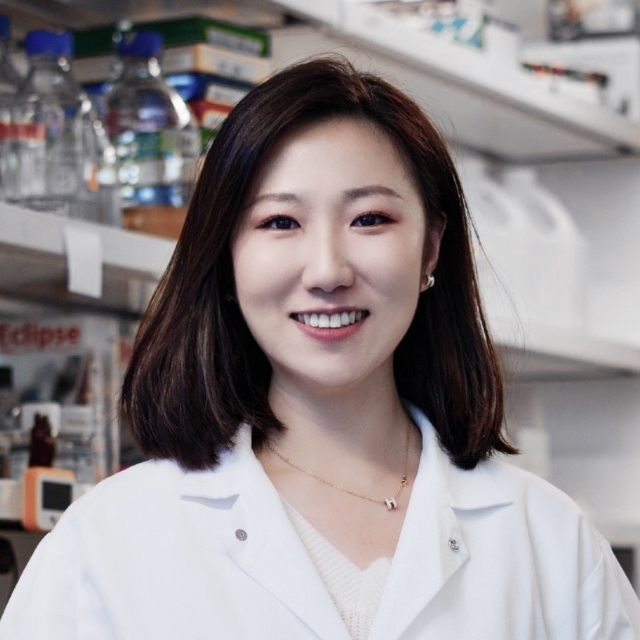 Linshan Liu Étudiant.e au doctorat PhD Student
  Adeline Masse Étudiant.e à la maîtrise MSc Student
 - Jisoo (Alice) Nam Étudiant.e au doctorat PhD Student
 Ipshita Nandi Étudiant.e au doctorat PhD Student
 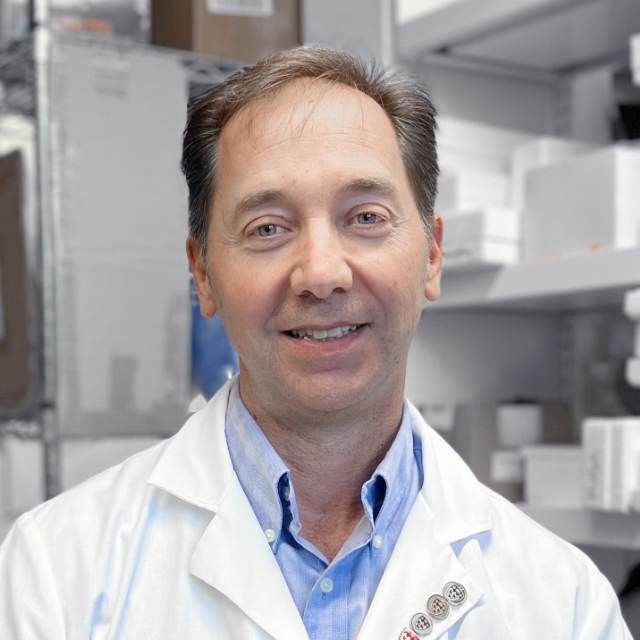 Vasilios Papavasiliou Gestionnaire de Laboratoire Lab Manager
 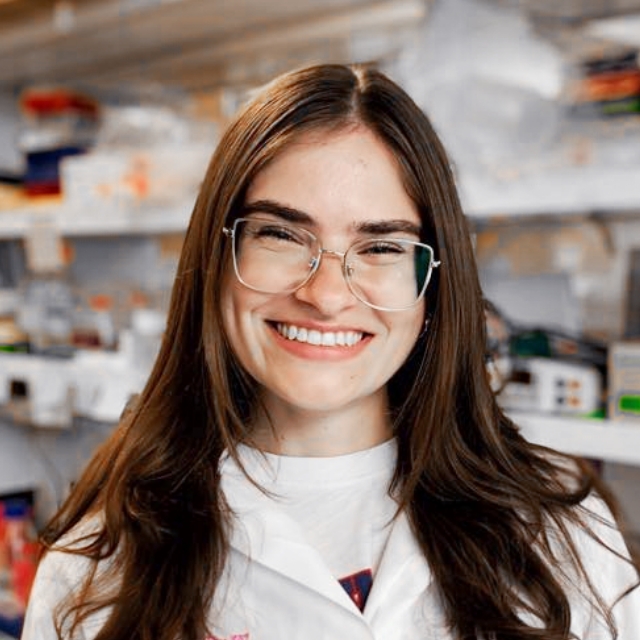 Elizabeth Podleszanski Étudiant.e à la maîtrise MSc Student
 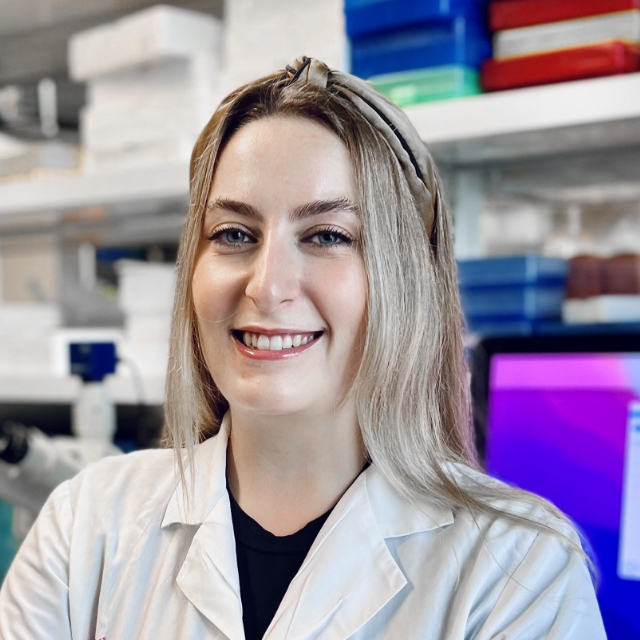 Hailey Proud Étudiant.e au doctorat PhD Student
  Virginie Sanguin-Gendreau Assistant.e de recherche Research Assistant
 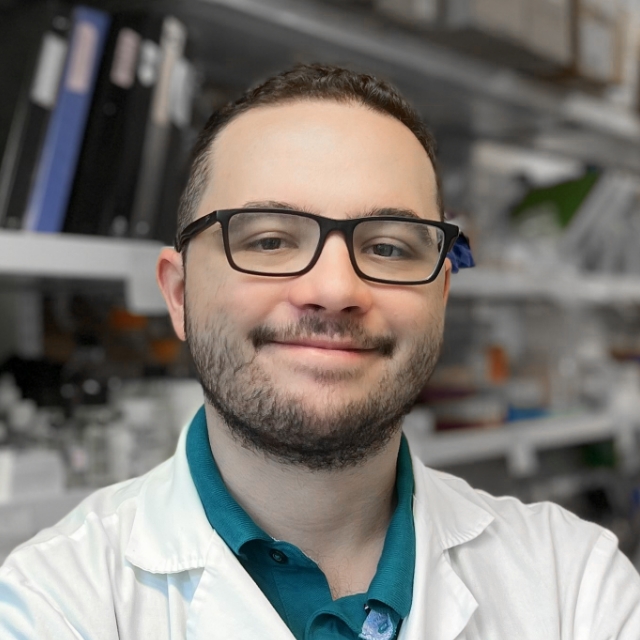 Tarek Taifour Étudiant.e MDCM-PhD MD/PhD Student
 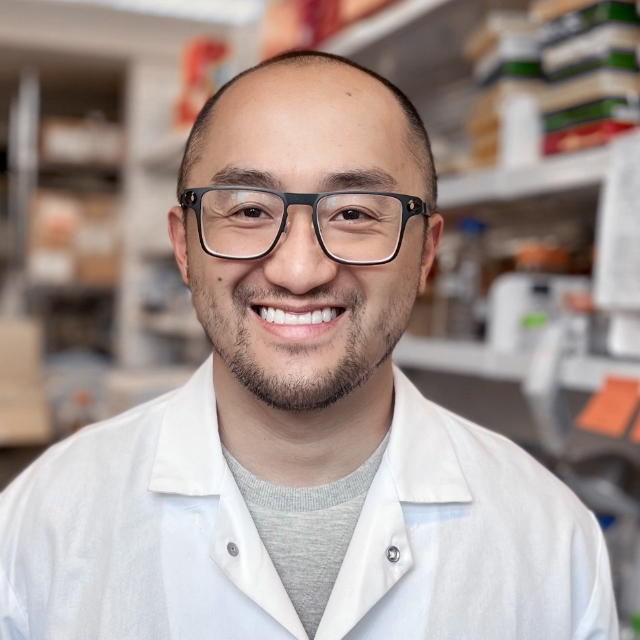 Bin Xiao Candidat.e postdoctoral.e Postdoctoral Fellow
  Dongmei Zuo Assistant.e de recherche Research Assistant
Major discoveries
- 2023 HER2Δ16 Engages ENPP1 to Promote an Immune-Cold Microenvironment in Breast Cancer.
- 2023 Coordinated activation of c-Src and FOXM1 drives tumor cell proliferation and breast cancer progression.
- 2023 Ezh2 promotes mammary tumor initiation through epigenetic regulation of the Wnt and mTORC1 signaling pathways.
- 2022 Emergence of β1 integrin-deficient breast tumours from dormancy involves both inactivation of p53 and generation of a permissive tumour microenvironment.
- 2022 Physiological expression of PI3K H1047R mutation reveals its anti-metastatic potential in ErbB2-driven breast cancer
- 2020 Rheb1-Independent Activation of mTORC1 in Mammary Tumors Occurs through Activating Mutations in mTOR.
Research Partners






Get in touch
1160 Pine Avenue W.
Montreal, Quebec H3A 1A3
Office: 516
Lab: 507
T. 514-398-5847
T. 514-398-4147/3006
F. 514-398-6769
william.muller@mcgill.ca


Rosalind & Morris Goodman Cancer Institute all rights reserved • Privacy policy • Accessibility
Website by Riposte