Our events
Oct 28, 2026
Location
Rosalind and Morris Goodman Cancer InstituteMontreal, QCCanada
ContactRosalind and Morris Goodman Cancer Institute
"Decoding Aneuploidies - using CRISPR technologies in mice to unravel novel cancer driver genes and vulnerabilities in recurrent CNA" Dr. Daniel Schramek, Senior Investigator and the Deputy Director at the Lunenfeld-Tanenbaum Research Institute/Mount Sinai Hospital in Toronto, and a Professor at the Department of Molecular Genetics, Temerty Faculty of Medicine
GCI Frontiers in Cancer Research Lecture Series
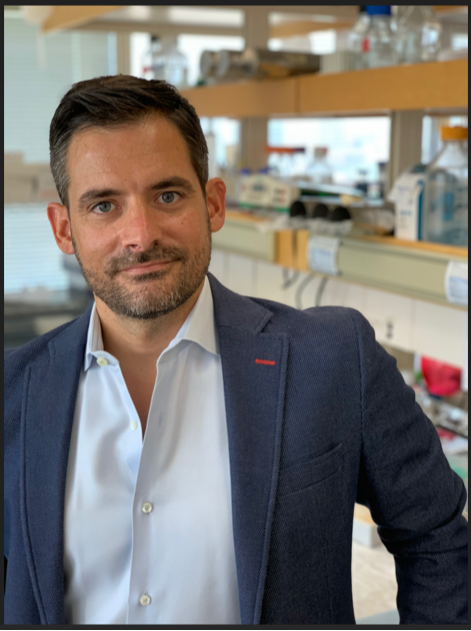
Decoding Aneuploidies - using CRISPR technologies in mice to unravel novel cancer driver genes and vulnerabilities in recurrent CNA
The Rosalind and Morris Goodman Cancer Institute Frontiers in Cancer Research Lecture Series is pleased to welcome Dr. Daniel Schramek, Senior Investigator and the Deputy Director at the Lunenfeld-Tanenbaum Research Institute/Mount Sinai Hospital in Toronto, and a Professor at the Department of Molecular Genetics, Temerty Faculty of Medicine
The seminar will take place on Wednesday, October 28, 2026 at 11:00am in the GCI Karp Room 501.
Click here for Abstract
Aneuploidy, the accumulation of whole chromosome or chromosome arm imbalances, is one of the most prevalent alterations in cancer genomes. However, studying how aneuploidy contributes to tumorigenesis and identifying the driver genes on the altered chromosomes that confer a selective fitness advantage is notoriously difficult due to the vast number of genes affected. We previously developed a platform for multiplexed direct in vivo functional genomics knock-out screens (Loganathan et al., Science 2020; Yanchus et al., Science 2022; Langille et al., Cancer Discovery 2022). We refined our CRISPR strategy with a new CRISPR-activation methodology, termed CRISPR-KOALA (CRISPR-Knock Out and Activation Linked Assay, Nature 2026), that enables high-throughput, multiplexed gene knockout and activation screens in sensitized mouse models of cancer. We focused on tripple negative and ER+ breast cancer as well as other epithelial cancers and used KOALA to assess the transforming potential of all the genes residing on the most frequently altered chromosome arms. We uncovered several new and very potent driver genes on these chromosome arms, provide insight into new potential therapeutic strategies and a novel template for multiplexed CRISPR screening directly in vivo.
Click here for Bio
Dr. Daniel Schramek is a Senior Investigator and the Deputy Director at the Lunenfeld-Tanenbaum Research Institute/Mount Sinai Hospital in Toronto, and a Professor at the Department of Molecular Genetics, Temerty Faculty of Medicine, University of Toronto. He holds the inaugural Tony Pawson Sinai 100 Chair and the Canadian Research Chair in Functional Cancer Genomics. Daniel was awarded an MSc in Molecular Biology from the University of Vienna, conducting his thesis work under the supervision Prof. Roger Daly at the Garvan Institute in Sydney. Upon returning to Vienna, Daniel performed his PhD work under the supervision of Prof. Josef Penninger, before pursuing postdoctoral work with Prof. Elaine Fuchs at the Rockefeller University. His lab pioneers research in functional cancer genomics using mouse models of breast, Head & Neck, brain and pancreatic cancer with the goal to elucidate the genetic drivers as well as genotype-specific vulnerabilities and novel drug targets to treat these fetal cancers.

Rosalind & Morris Goodman Cancer Institute all rights reserved • Privacy policy • Accessibility
Website by Riposte