Our events
Sep 24, 2026
Location
Rosalind and Morris Goodman Cancer InstituteMontreal, QCCanada
ContactRosalind and Morris Goodman Cancer Institute
"Tissue protective effects of oncogenic p53 mutation in a mouse model" Yinon Ben-Neriah, MD-PhD, Professor of immunology and cancer research at the Hebrew University of Jerusalem
GCI Frontiers in Cancer Research Lecture Series
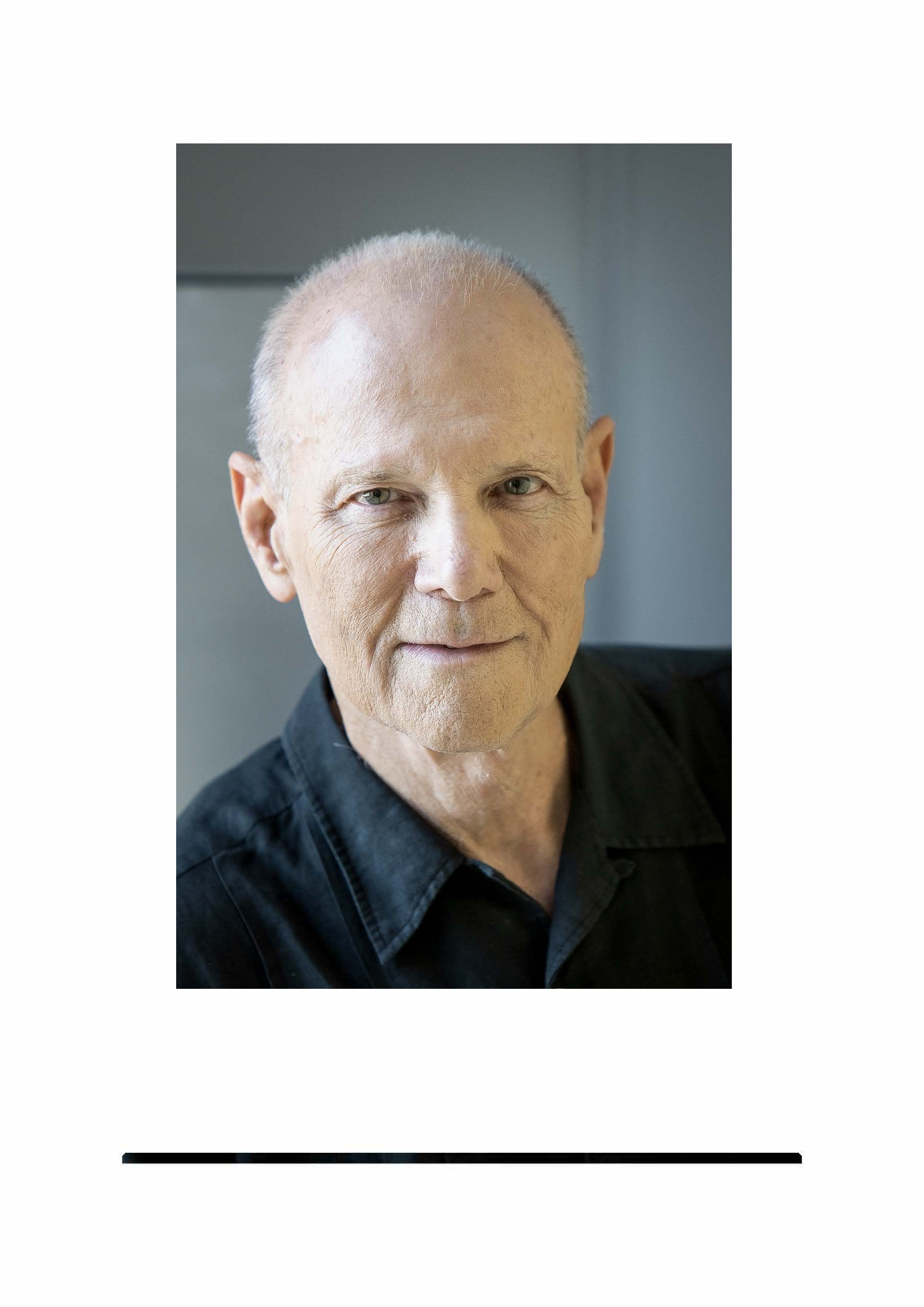
Tissue protective effects of oncogenic p53 mutation in a mouse model
The Rosalind and Morris Goodman Cancer Institute Frontiers in Cancer Research Lecture Series is pleased to welcome Yinon Ben-Neriah, MD-PhD, Professor of immunology and cancer research at the Hebrew University of Jerusalem
The seminar will take place on Thursday, September 24, 2026 at 11:00am in the GCI Karp Room 501.
Click here for Abstract
Cancer-associated TP53 mutations accumulate in normal human tissues during aging, where they frequently undergo clonal expansion despite the absence of malignancy. Although these mutant cells outcompete their wild-type counterparts, the physiological basis for their positive selection has remained unclear. Here we show that a hotspot gain-of-function (GOF) TP53 mutation confers a regenerative advantage following colonic injury. Expressing mutant TP53 in a fraction of mouse colonic stem cells comparable to that observed during human aging led to rapid clonal expansion following DSS-induced colitis, a response that depended on an intact and diverse intestinal microbiota and was markedly attenuated by antibiotic treatment. Single-cell and spatial transcriptomic analyses revealed the basis for the tissue protective effect of the mutation. This adaptive response required GOF activity of mutant p53 and was not reproduced by TP53 deletion, demonstrating a neomorphic mutant function. Our findings uncover an unexpected physiological function of oncogenic mutant p53 in promoting epithelial plasticity and tissue resilience, providing a mechanistic explanation for the positive selection of TP53 driver mutations during aging and supporting antagonistic pleiotropy as a principle underlying their persistence in normal tissues.
Click here for Bio
Yinon Ben-Neriah, MD-PhD, is a professor of immunology and cancer research at the Hebrew University of Jerusalem. He is a member of the Israel Academy of Sciences and Humanities, an EMBO member, elected fellow of the European Academy of Cancer Sciences and recipient of the Israel Prize for Medical Research. Yinon studies cancer development and therapy and among his achievements are the developent of a first prototype inhibitor of the CML oncoprotein Bcr-Abl; deciphering key components in the NF-kB and Wnt signaling pathway; identifying NF-kB as the first molecular link between inflammation and cancer; elucidating mechanisms for WNT and mutant p53 activation and developing a new class of small molecule kinase inhibitors with profound therapeutic effects in preclinical and early clinical studies in several cancer types.

Rosalind & Morris Goodman Cancer Institute all rights reserved • Privacy policy • Accessibility
Website by Riposte